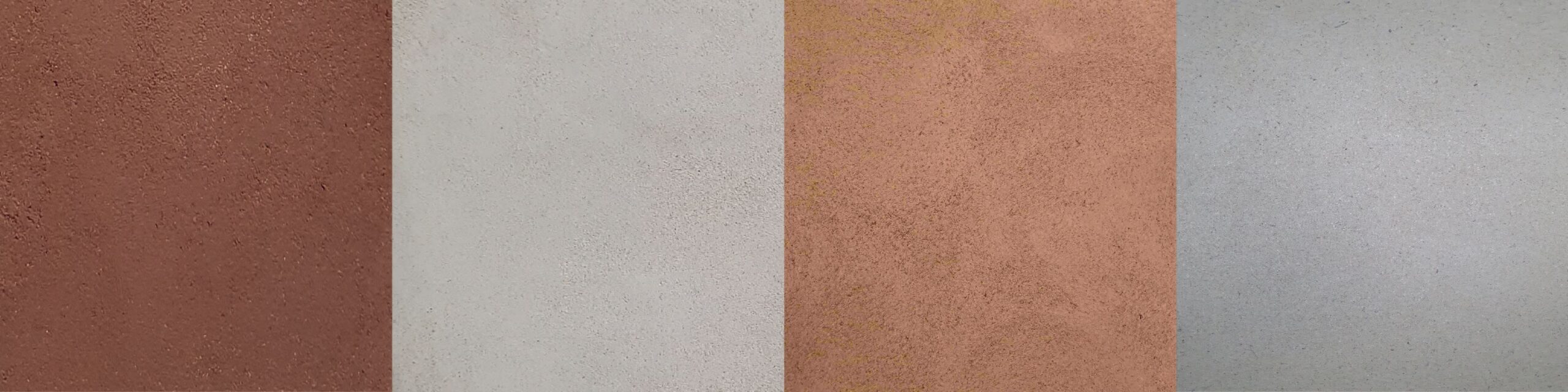
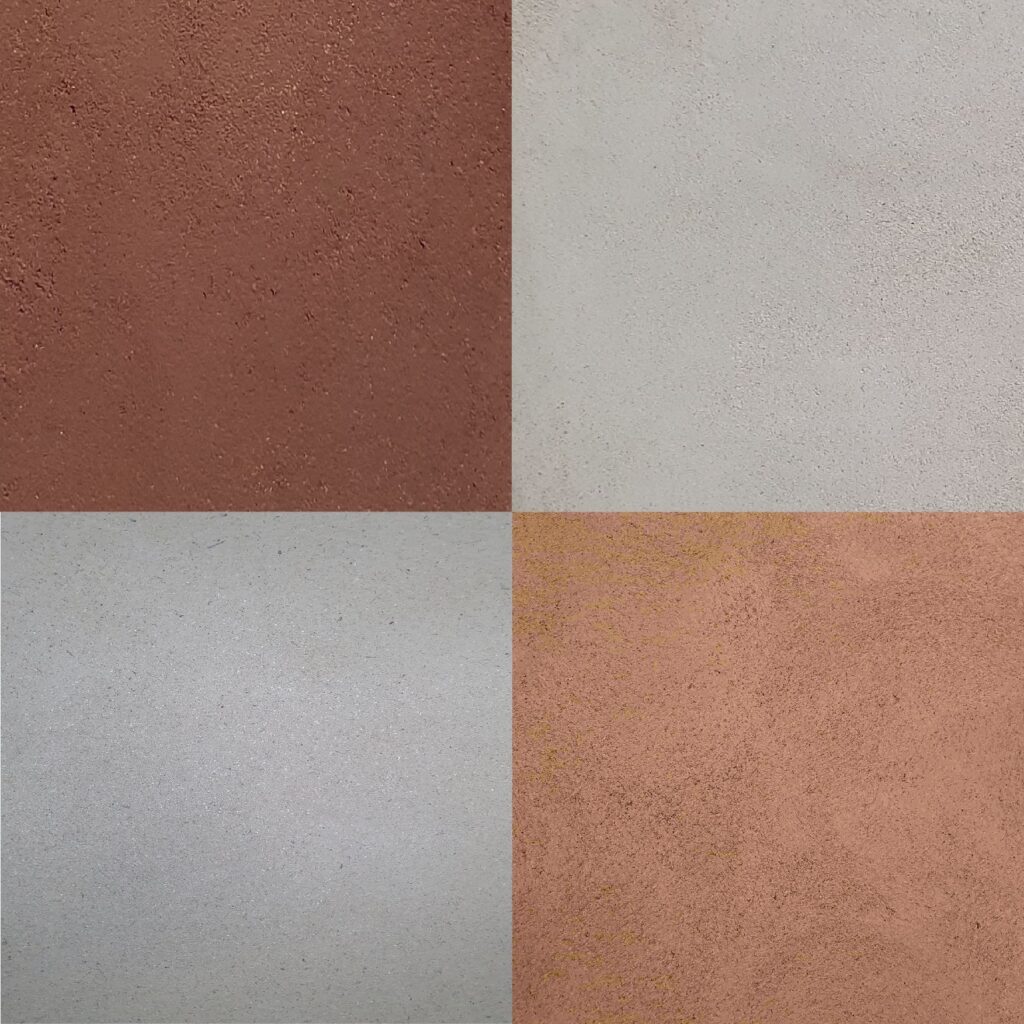
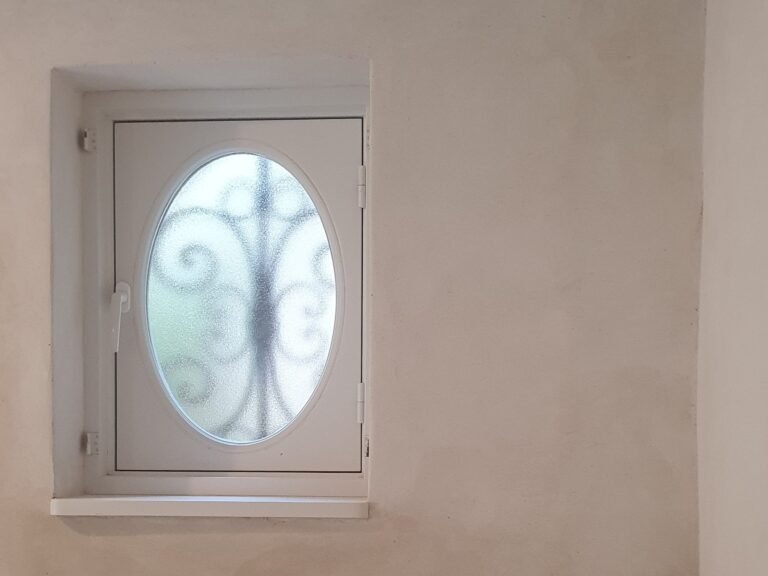
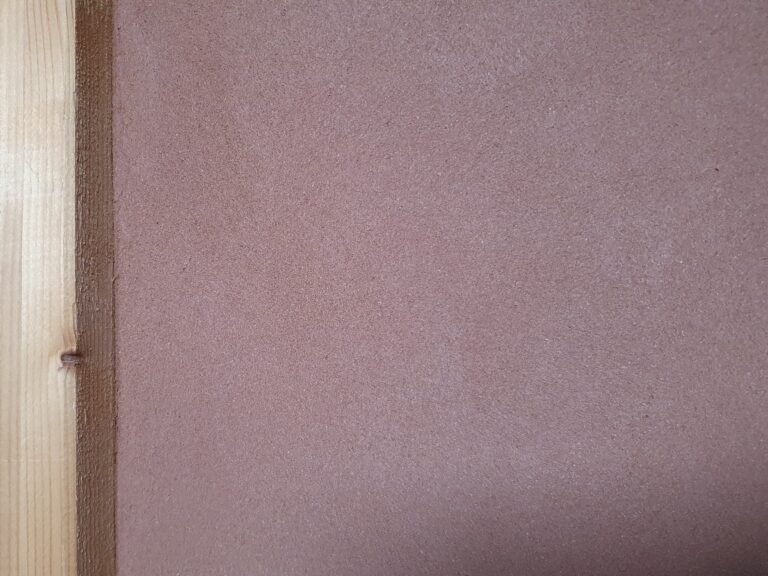
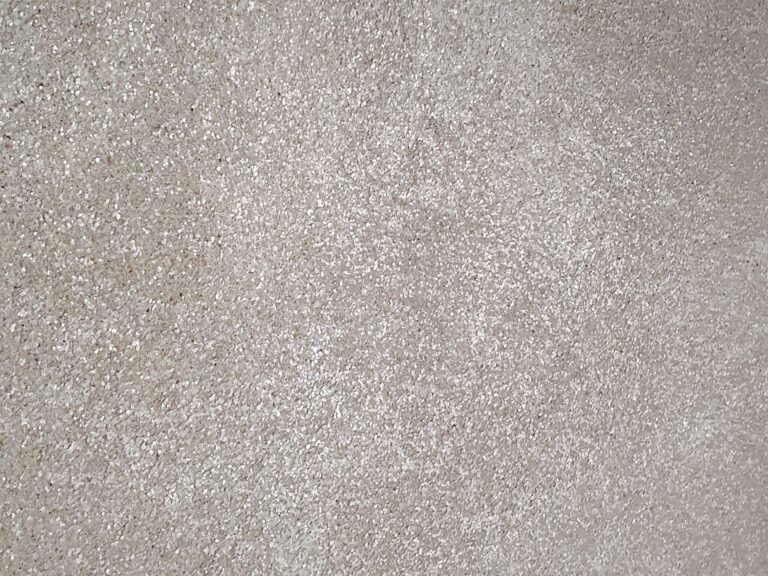
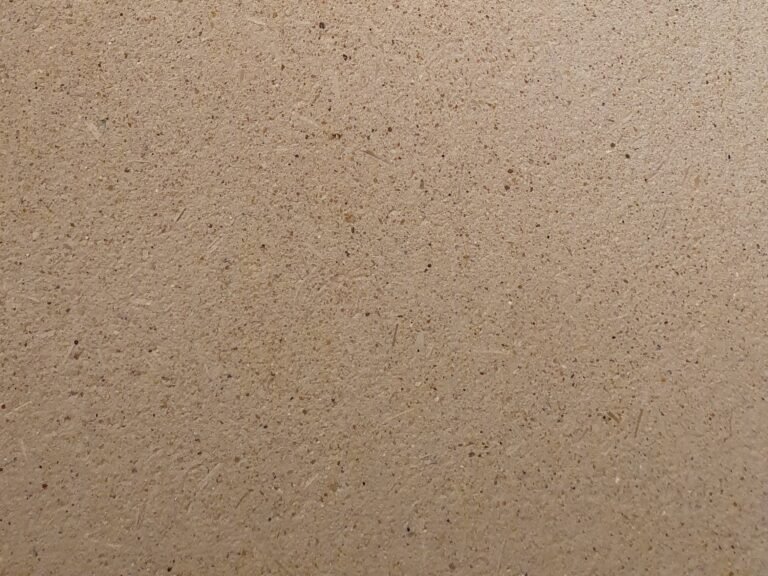
From hemp-lime thermal-performance plaster on stone walls to decorative finish coats on plasterboard, there is a natural plaster solution for every project.
Clay as a Building Material
Raw earth is an age-old building material that gradually fell out of use in Western societies. Today, it is regaining recognition thanks to the work of craftspeople, associations and collectives that have promoted its revival since the 1970s. The thermal, hygroscopic and acoustic properties of this geo-sourced material now make it almost indispensable in the renovation of traditional buildings. Yet raw earth is not limited to heritage projects. Available in a wide range of colours and finishes, it is a versatile material that also fits perfectly within contemporary interiors.
Lime as a Building Material
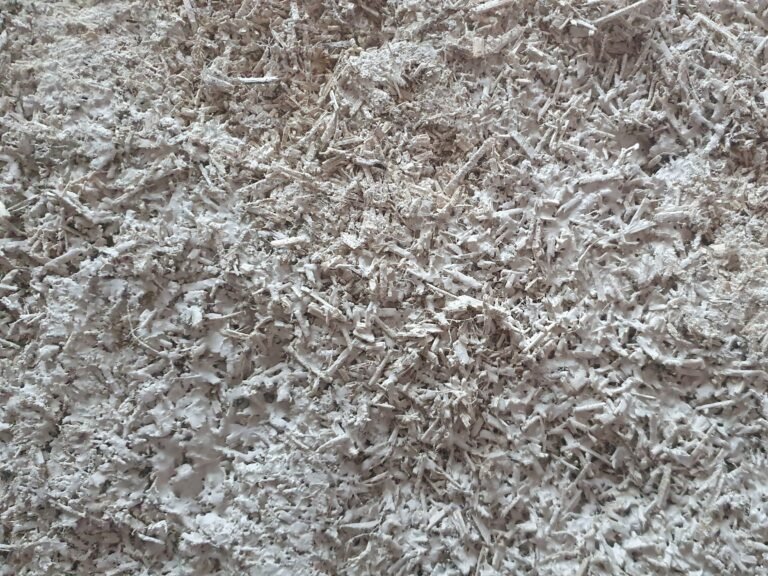
Widely used in traditional buildings, lime is produced by firing materials containing calcium carbonate, such as limestone. The purest limestones produce non-hydraulic lime, which sets through contact with air, while limestones containing clay, silica and other minerals produce hydraulic lime, which sets through a reaction with water. Limestone is first heated to around 900°C to produce quicklime, which is then slaked to obtain non-hydraulic lime. Limestones containing impurities require a slightly higher firing temperature, around 1100°C, to produce hydraulic lime. Like clay, lime is valued for its vapour permeability and its ability to regulate moisture, while remaining resistant to liquid water. It also has bactericidal and fungicidal properties. When combined with hemp shiv (the woody core of the hemp plant) and applied at a thickness of at least 6 cm, it can provide thermal improvement.
Base Coats and Finish Coats
Natural plaster systems typically include two main layers:
the base coat (or backing coat) is used to correct unevenness in the wall surface. It helps limit cracking in the finish coat caused by shrinkage. It can also be used to achieve perfectly smooth surfaces, if desired, although slight variations in texture and flatness are part of the charm of natural plasters. The base coat is generally applied at a thickness of 10 to 20 mm. In some cases, when compensating for a highly irregular substrate or adding thermal mass, it may reach several centimetres in thickness. It consists of a binder (clay or lime), medium-grade sand and, in most cases, fibres such as wheat straw or hemp.
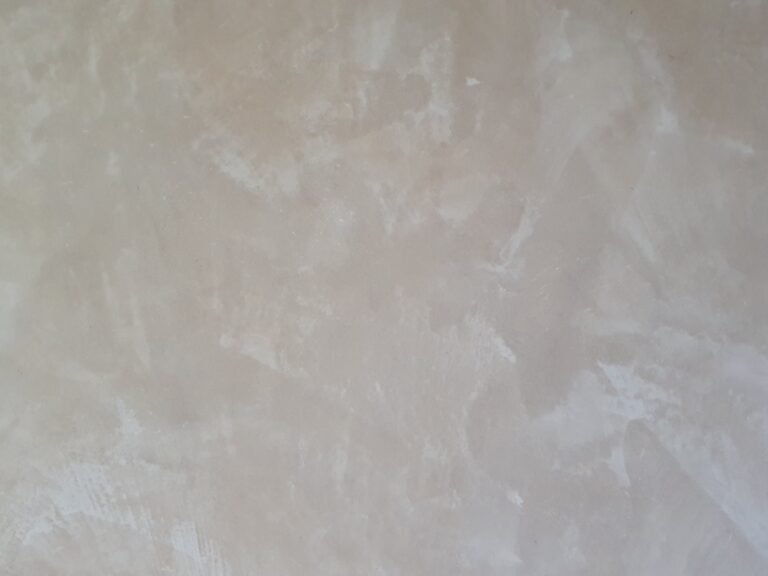
The finish coat is much thinner than the base coat (2 to 5 mm). It is also made of a binder and sand, although with a finer grain size than that used in the base coat. It can also include fibres (such as chopped straw or flax fibres) and pigments. The final appearance depends on the application and finishing technique used: trowel, smooth, sponge or scraped finishes, among others. There are also even finer plasters (less than 2 mm thick), known as decorative plasters, such as stucco finishes. When protected with a coat of saponified wax, stucco finishes can be used in wet rooms, including showers.
The application of natural plasters requires drying time. Depending on the type of substrate and the thickness of the plaster, this can range from a few days to several weeks.
Clay and lime can also be used to create washes, a type of textured finish that sits somewhere between a paint and a plaster.
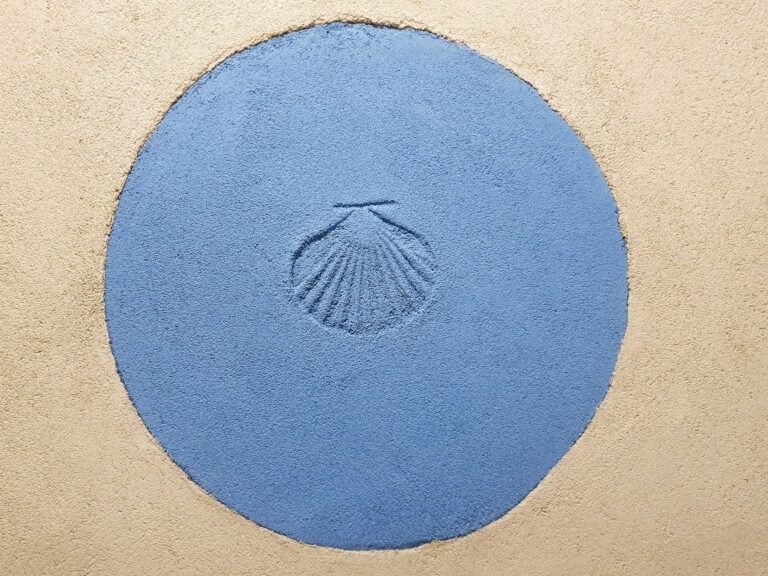
Impression sur argile blanche et pigment bleu
Argile blanche et pigment bleu
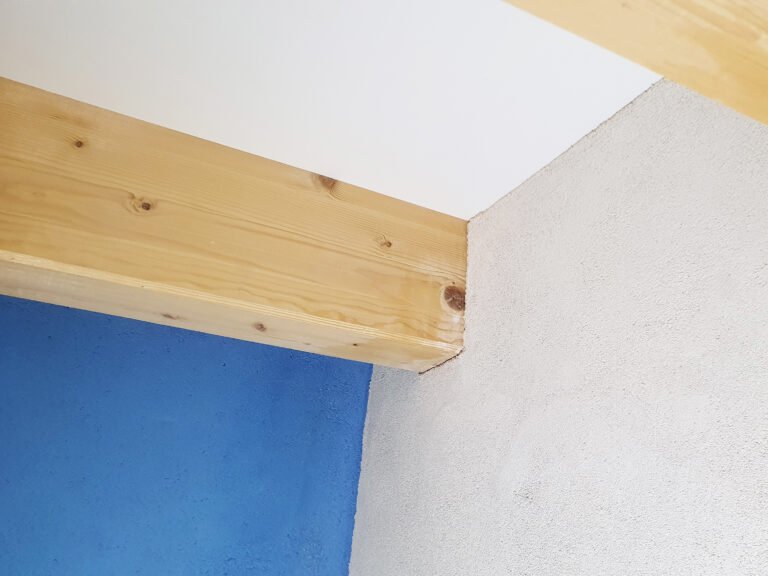
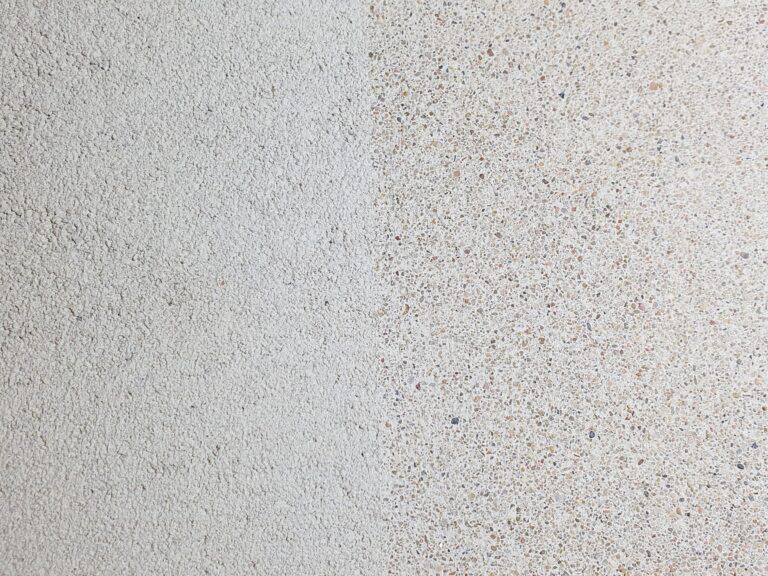
Enduit à l'argile blanche, à gauche finition talochée, à droite finition épongée
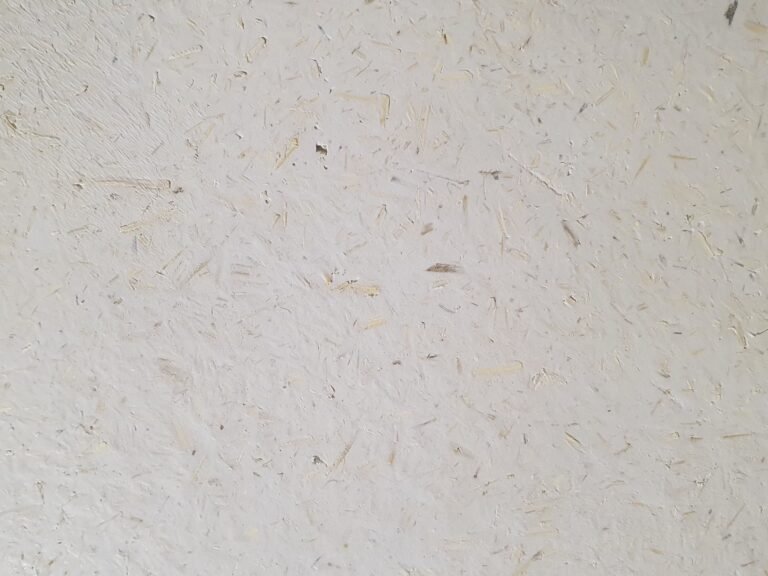
Enduit à l'argile blanche et paillettes de lin
Détail de l'enduit à l'argile blanche et paillettes de lin
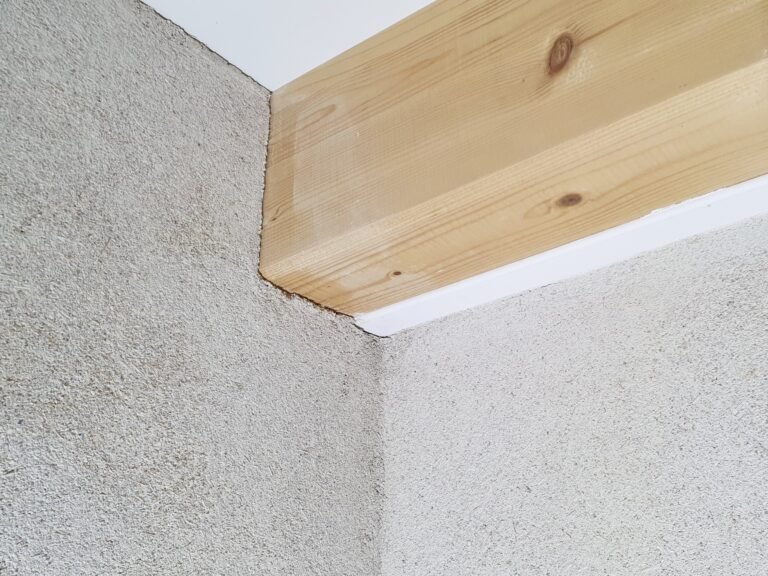
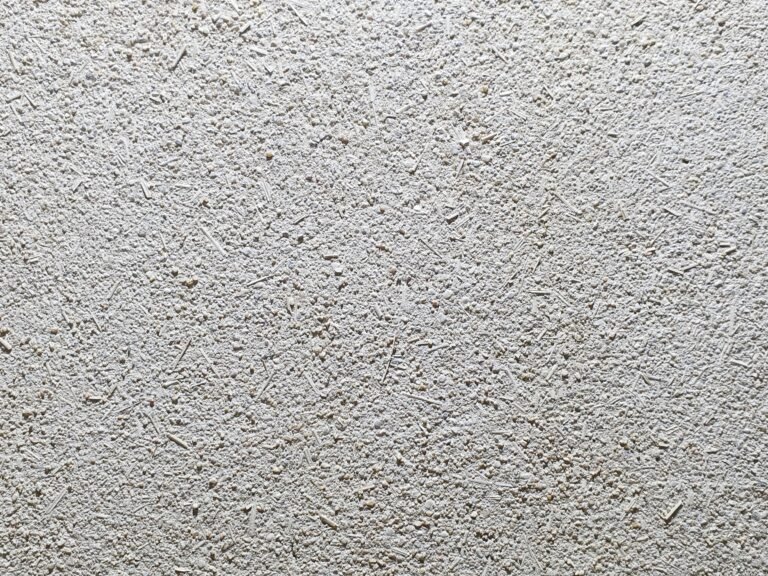
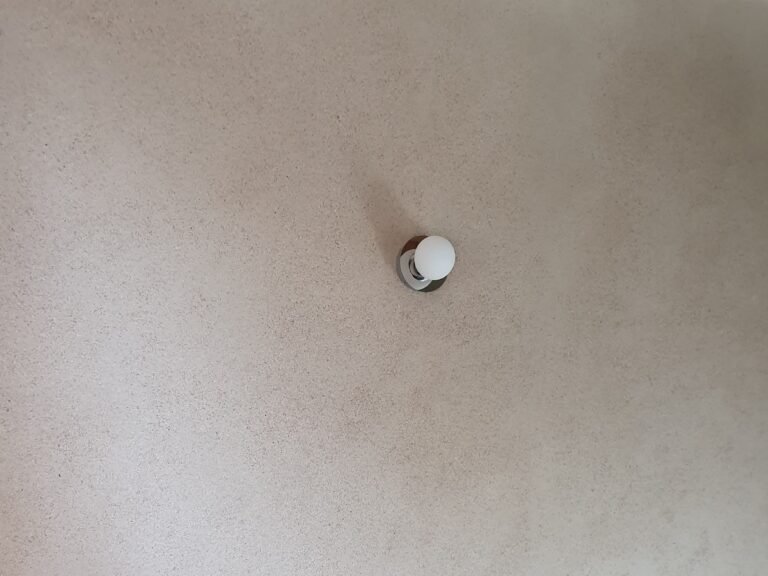
Enduit correcteur thermique chaux-chanvre lissé (en collaboration avec Matières Vivantes)
Détail de l'enduit chaux-chanvre lissé
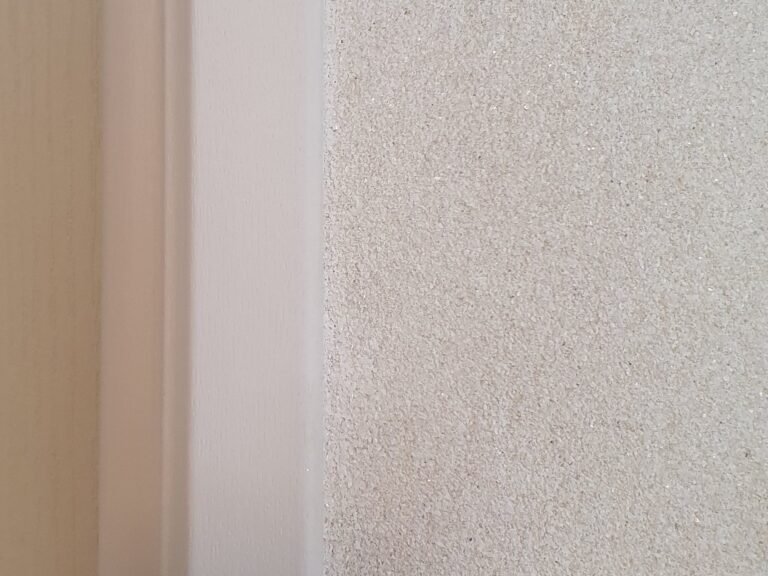
Enduit à l'argile blanche et paillettes de mica
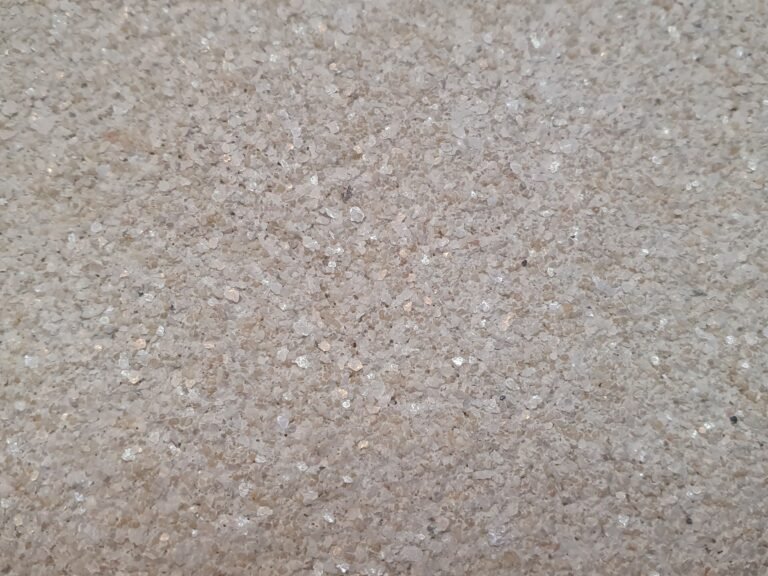
Détail de l'enduit à l'argile blanche et paillettes de mica
Enduit à l'argile blanche finition talochée
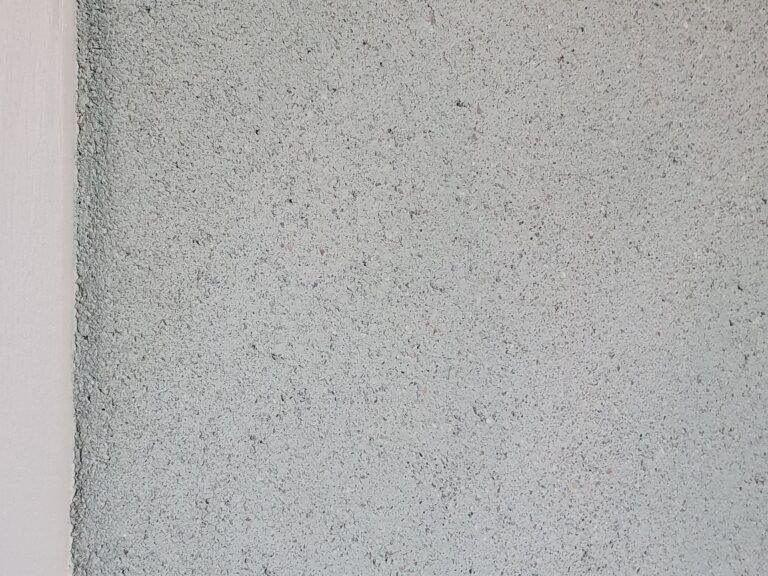
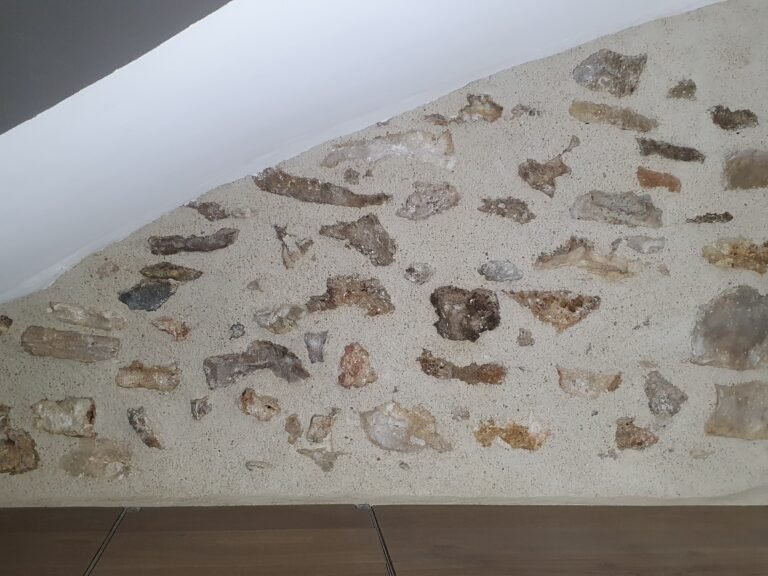
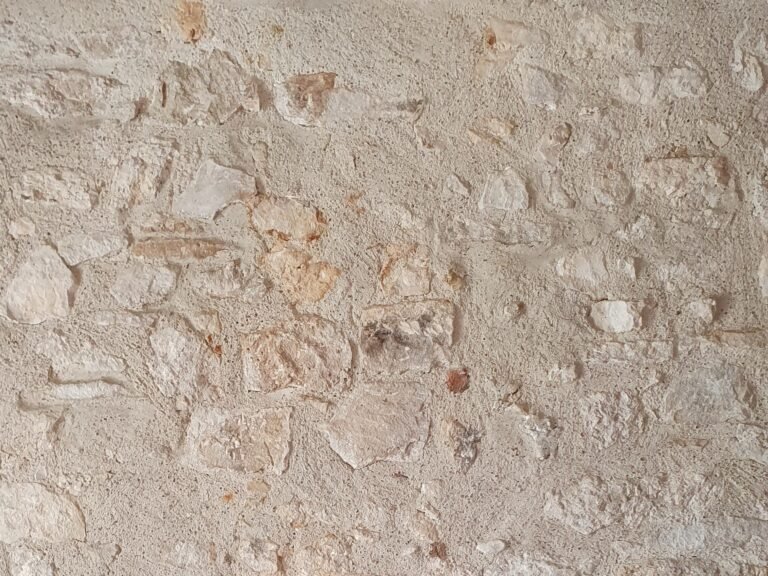
Enduit à la chaux à pierre vue
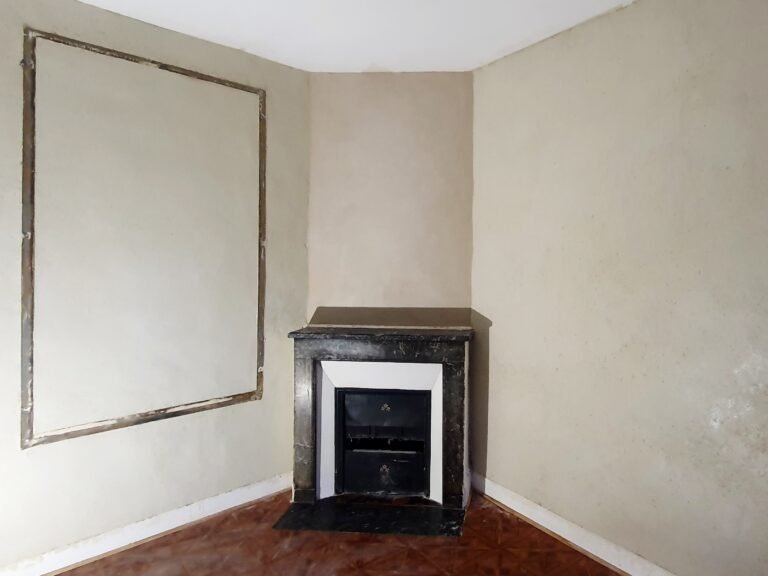
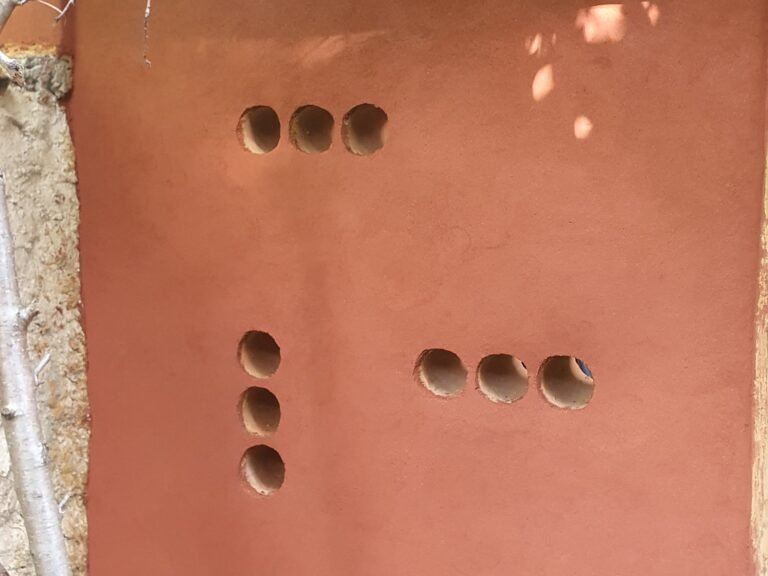
Enduit terre naturelle et pigment oxyde rouge
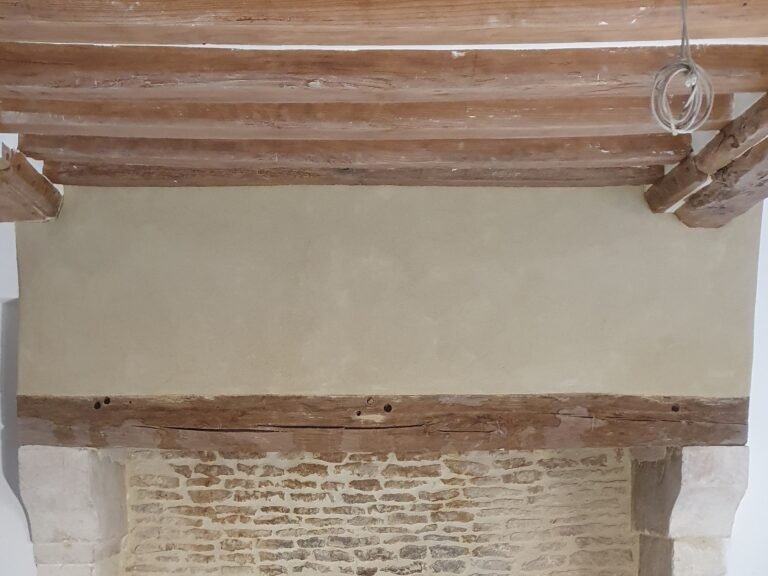
Enduit à la chaux aérienne
Enduit à la chaux aérienne
Enduit à l'argile rose
Enduit à l'argile blanche et paillettes de mica
Enduit à l'argile blanche et paillettes de lin
Stuc de chaux et pigment beige
Chaux-chanvre projeté (avant finition)
Enduit à la chaux à pierre vue
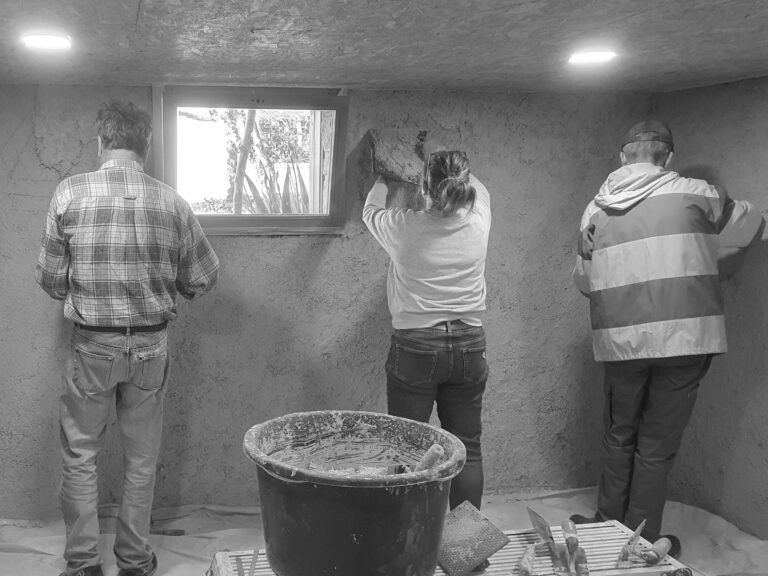
Guided Projects and Participatory Building Workshops
I can also help you carry out your plastering work through one-to-one guidance or participatory building workshops.