








Natural Plasters and Eco-Renovation Advice in Yvelines and Essonne
As a specialist in natural plasters, I create clay and lime plasters and washes. Specialising in bio-based and geo-sourced materials, I also offer a comprehensive and educational assessment of the home, with particular attention to thermal comfort, moisture issues, indoor air quality, and the specific characteristics of traditional buildings. Understanding how a building performs helps homeowners prioritise renovation work according to their needs and communicate more confidently with contractors and building professionals.
Based in the heart of the Haute Vallée de Chevreuse Regional Natural Park, I work throughout the Yvelines and Essonne areas.
What is Eco-Renovation?
By eco-renovation, I mean appropriate renovation work that enhances comfort and energy efficiency while respecting the existing building. Some prefer the term rehabilitation, as it recognises the building’s original qualities, which serve as the foundation for future interventions.
Would you like to learn more about eco-renovation? Explore my articles on eco-friendly building materials, building performance, and many other related topics.
Which Sustainable Building Materials Can Help Reduce My Environmental Impact?
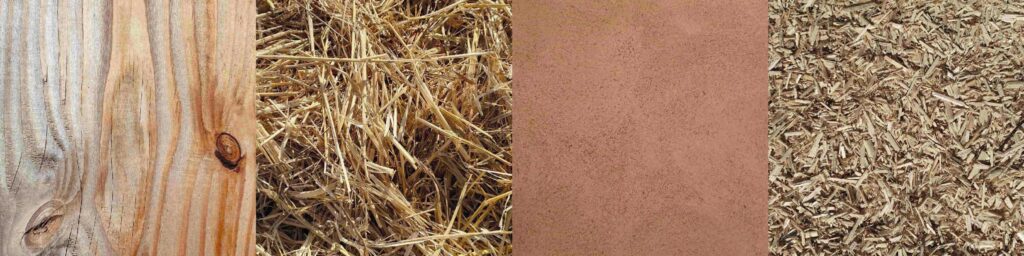
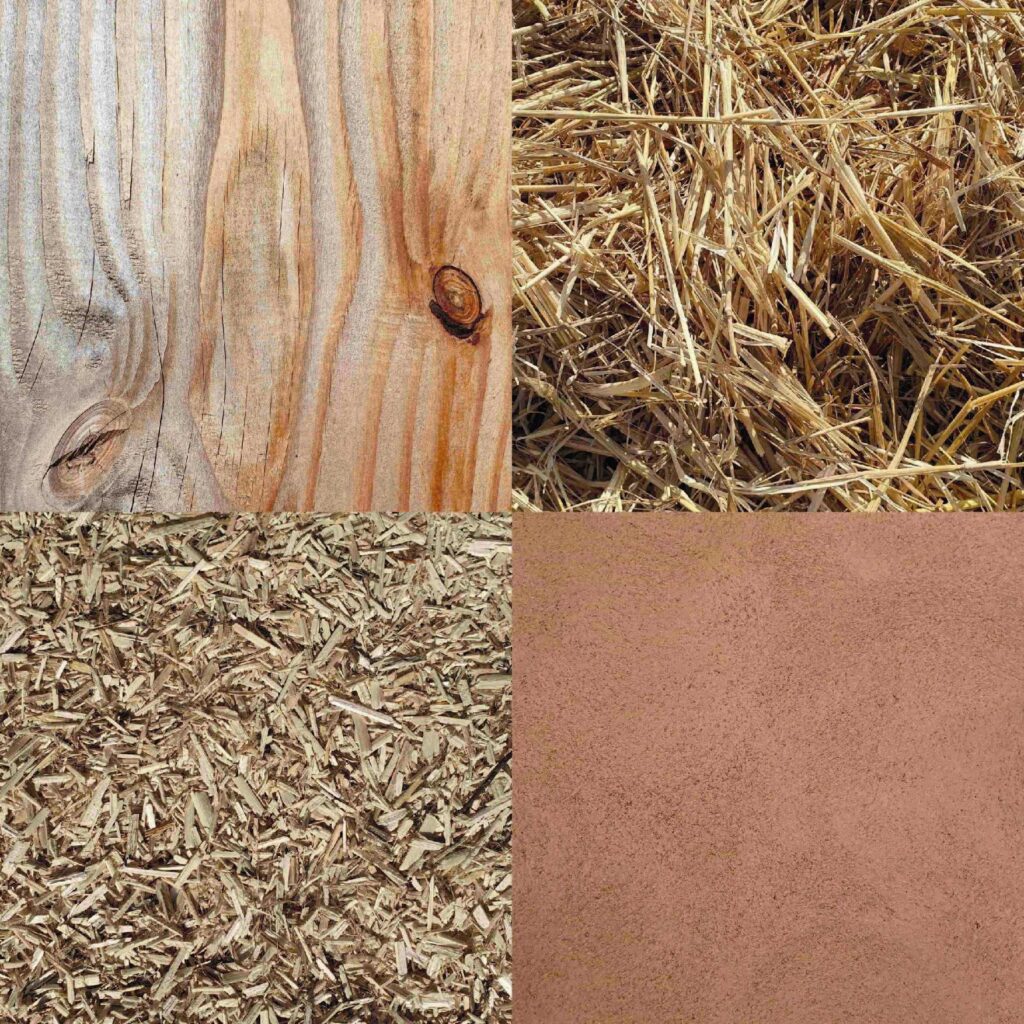
Eco-renovation also relies on the use of materials that respect the building, its occupants and the environment. These include bio-based materials derived from plants, such as timber, hemp and straw; geo-sourced materials derived from mineral resources, such as clay, gypsum and lime; and recycled materials, including recycled textiles. Together, these are often referred to as “natural materials”, “eco-friendly building materials” or “eco-materials”.
Bio-based materials provide excellent thermal and acoustic insulation. They also have a high thermal lag, meaning there is a significant delay between peak outdoor and indoor temperatures, which contributes to summer comfort. Hygroscopic materials such as hemp and clay can absorb and release moisture in both liquid and vapour form, helping to regulate indoor humidity. Unlike petrochemical insulation materials and conventional plasters, eco-materials allow moisture to migrate towards the exterior thanks to their vapour permeability.
Finally, using locally sourced renewable resources such as wood, hemp and straw helps to reduce the environmental impact of a renovation project.
Which Renovation Work Should I Prioritise to Improve Comfort and Reduce Energy Consumption?
My aim is to help you identify the most appropriate renovation work for your home, taking into account energy performance, environmental impact and budget considerations.
Which Insulation Material Should I Choose, Where Should It Be Installed, and How Thick Should It Be?
How Long Will It Take for My Renovation Work to Pay for Itself?
Should I Replace My Windows? Double or Triple Glazing?
Which Heating System Is Best? Should I Consider Air Conditioning?
Will the CO₂ Savings from Reduced Heating Really Outweigh the Environmental Cost of the Renovation Work?
I can also carry out a pre-purchase building assessment, providing an impartial opinion on the condition of the property and any renovation work that may be required.
Why the Name "Avant 4 Degrés"?
A +4°C increase is the level of warming expected in mainland France by 2100 if current trends continue. The construction sector accounts for 23% of France’s greenhouse gas emissions, with heating being the largest contributor. Renovating buildings is therefore a major challenge. Whether the goal is to mitigate climate change or adapt our homes to its impacts, the time to act is before it happens.